
UK Pulse Crops
In this section, please select the specific PCGIN crop you are interested to learn more about: faba beans, peas, and other pulse crops, or continue reading below for an overview of UK grown pulses.
What are pulses and why are they important in the UK?
Pulses – such as peas, beans and lentils – are the mature seeds of legume crops that play a vital role in building a more sustainable and resilient food system. They provide nutritious, high-protein and high-fibre food for people, and valuable feed for livestock, all while enriching the soil by fixing atmospheric nitrogen.
As break crops, pulses improve soil structure, reduce the need for synthetic fertilisers, and help control pests and diseases in crop rotations. Encouraging more pulses in human diets offers health benefits and supports lower-carbon, more sustainable eating patterns. Similarly, increasing the use of UK-grown pulses such as peas and beans in livestock feed can reduce reliance on imported soy, which is often associated with deforestation and higher carbon footprints.
The UK APPGSTA’s 30:50:50 mission has set out a bold strategy to strengthen UK food security and environmental sustainability by 2050. It calls for:
- A 30% increase in domestic food production
- A 50% reduction in agriculture’s environmental footprint
- A 50% improvement in resource efficiency
This vision recognises the urgent need to rebalance land use, reduce reliance on imports, and embed innovation across the food system.
Genetic diversity in UK pulse crops is one of the starting points for achieving the APPGSTA 30:50:50 goals. By improving varieties through breeding, we unlock higher yields, greater resilience, and lower environmental impact. Enabling improved pulses means growing more food and feed locally, regenerating soils, and supporting healthier diets, all beginning with diversity.
What pulses are grown in the UK?
The pulse sector is segmented, allowing growers to select varieties suited to their conditions and specific end uses such as for human consumption, animal feed, or seed production. UK farmers primarily grow field beans and combining peas, both of which are well-adapted to local growing conditions and offer multiple market opportunities.
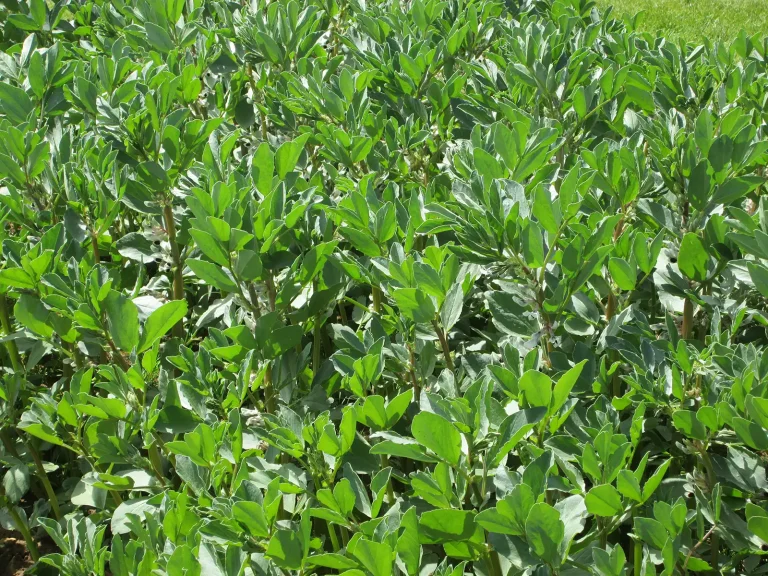
Faba beans (Vicia faba)
Field beans are typically grown for:
- Animal feed, especially for ruminants and monogastrics as a home-grown protein source.
- Export markets, particularly for human consumption in North Africa.
- Seed production, supporting domestic and international pulse cultivation.
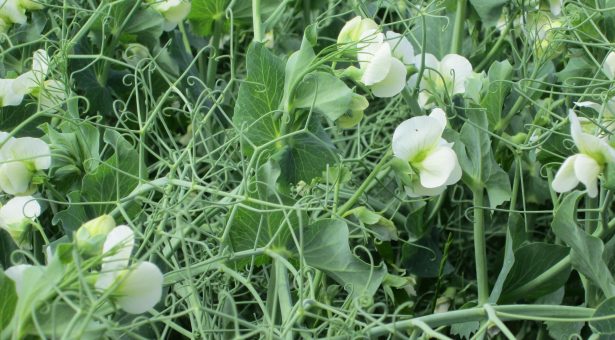
Combining peas (Pisum sativum)
Combining peas are grown for:
- Human consumption, including marrowfat peas (used in snacks and mushy peas), large blues, and yellows.
- Animal feed, offering a valuable protein and energy source.
- Seed markets, with demand for high-quality, disease-resistant varieties.
Horticultural crops
Pea and beans aren’t just grown for harvesting as dry pulses, there are also varieties from the same species that are picked immature for fresh markets as vining peas (frozen peas and petit pois) and broad beans.
UK growers also produce green beans (aka French beans, Phaseolus vulgaris) and runner beans (Phaseolus coccineus), adding even more diversity to the fresh market.
Niche pulse crops
Niche pulse crops include the heirloom carlin pea (Pisum sativum), common beans (Phaseolus vulgaris), lentils (Lens culinaris), and chickpeas (Cicer arietinum). Find out more about these crops in other pulse crops page.
Growers can explore agronomic guidance and recommended varieties through the PGRO agronomy advice and Descriptive Lists: Combining Peas and Field Beans.
Market opportunities and on-farm reality
With numerous options for markets, UK growers have a wide range of pulse crops to choose, yet the uptake of pulses remains limited due to concerns about yield instability. While average pulse yields are comparable to other break crops such as oilseed rape (around 3–3.2 t/ha), variability between farms is significant, with some faba beans achieving up to 9 t/ha. This gap between potential and on-farm performance reinforces the perception of erratic returns, making pulses less attractive within current economic models. PCGIN continues to tackle these challenges by prioritising genetic improvements in traits valued by industry stakeholders to boost yield stability, while also researching traits to enhance market value. Together, these efforts aim to make pulses a more dependable and profitable choice for UK farmers.
Recent UK crop data: land use and market value
This section presents the latest 2024 DEFRA figures on crop areas and their economic value, providing an overview of how different PCGIN crops currently contribute to UK agriculture. Together, in 2024 these broad-acre combining crops and horticultural crops were grown across a total area of 260,000 hectares, with an estimated market value of £316 million. This represents about 4.19% of the UK’s total croppable land (6.2 million hectares) dedicated to PCGIN crops.
Combinable pulse crops (harvested dry)
From Defra’s Annual statistics about agriculture in the United Kingdom Crops chapter 7: Protein crops (field peas and field beans):
The overall area of pulses in 2024 was 224 thousand hectares, a decrease of 18% from 2023 with a decrease in field bean area offsetting an increase in field pea area.
The total area of field peas increased by 46% in 2024 to 89 thousand hectares.
The proportion of this area utilised for animal feed was estimated at 60%, lower than the estimated 92% in 2023. Field peas yield averaged 3.3 t/ha compared to 3.0 t/ha in 2023.
The annual value of peas for animal feed in 2024 was £43 million, an increase of 12%, due to higher production levels offsetting a lower proportion of peas going to animal feed. The annual value of peas for human consumption in 2024 was £28 million compared to £4 million in 2023. The average price per tonne was 6.9% higher than 2023 at £244.78.
The area of field beans was 37% lower than last year at 135 thousand hectares. The decreased area offset slightly higher average yields and led to production falling by 33% to an estimated 460 kt. Average yields increased to 3.4 t/ha from 3.2 t/ha in 2023.
The annual value of field beans in 2024 was £104 million, a 33% decrease compared to 2023 reflecting the lower production. The average price per tonne was very similar to 2023 at £226.32.
Horticultural crops (harvested fresh, green, immature)
From Defra’s horticulture statistics (2024):
Broad beans (Vicia faba), runner beans (Phaseolus coccineus), dwarf beans (Phaseolus vulgaris), and green peas for market and processing (Pisum sativum) occupy approximately 36,000 hectares across the UK. In 2024, home production marketed from these crops is estimated at 188 thousand tonnes, with a total value of around £141 million.
Room for improvement
When looking at pulses along with other legume crops (such as legume-rich grassland, legume fallows, and forage legumes), still only 6% of UK arable land is used for growing legumes. Moving towards a one-in-five rotation could see up to 20% of farmland incorporating pulses and other legumes. This expansion offers a significant opportunity to:
- Cut agricultural emissions through natural nitrogen fixation
- Improve soil health and biodiversity
- Boost domestic protein production, reducing reliance on imports
- Support farmer resilience while contributing to national net zero goals
Learn more about the science behind this vision to increase overall UK legume production through the Nitrogen Climate Smart Programme.