

WP1: New genetic resources for pea, faba bean and other grain legumes.
PCGIN is all about unlocking the potential of UK-grown pulses by building the genetic foundations for future breeding. This work package focuses on creating and sharing the genetic resources that breeders and researchers need to develop better-performing legumes – whether that means higher yields, improved resilience, or new premium traits.
Over the past five years there’s been a huge leap forward in legume genetics. Thanks to PCGIN and international collaborations, we now have chromosome-level reference genomes for pea and faba bean, plus thousands of sequenced lines and advanced tools like SNP arrays and diversity panels. These resources allow us to pinpoint the genes behind important traits and speed up breeding through approaches like GWAS (genome-wide association studies) and gene editing.
WP1 will:
By advancing research into genetic diversity now, PCGIN is laying the groundwork for faster, smarter crop improvement, enabling breeders to move these advances into commercial varieties that meet the needs of UK agriculture and markets.
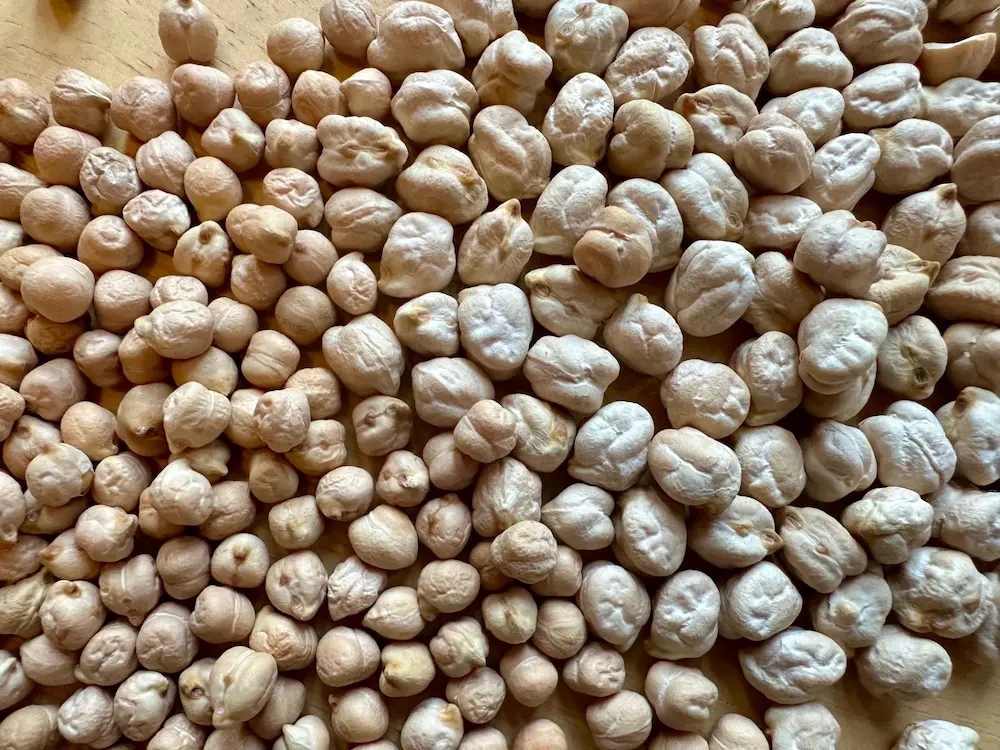
The UK imports large volumes of pulses – soybean for feed, navy beans for baked beans, lentils, and chickpeas. WP1 has begun with a survey of available germplasm for these crops and identifies what is needed to support UK trials. We’ll also gather industry priorities for traits such as premium quality, disease resistance, and processing suitability.
Why it matters: This scoping study sets the stage for diversifying UK agriculture and reducing reliance on imports.
Further info: Defra’s report on underutilised crops highlights opportunities for novel and niche grain legumes.
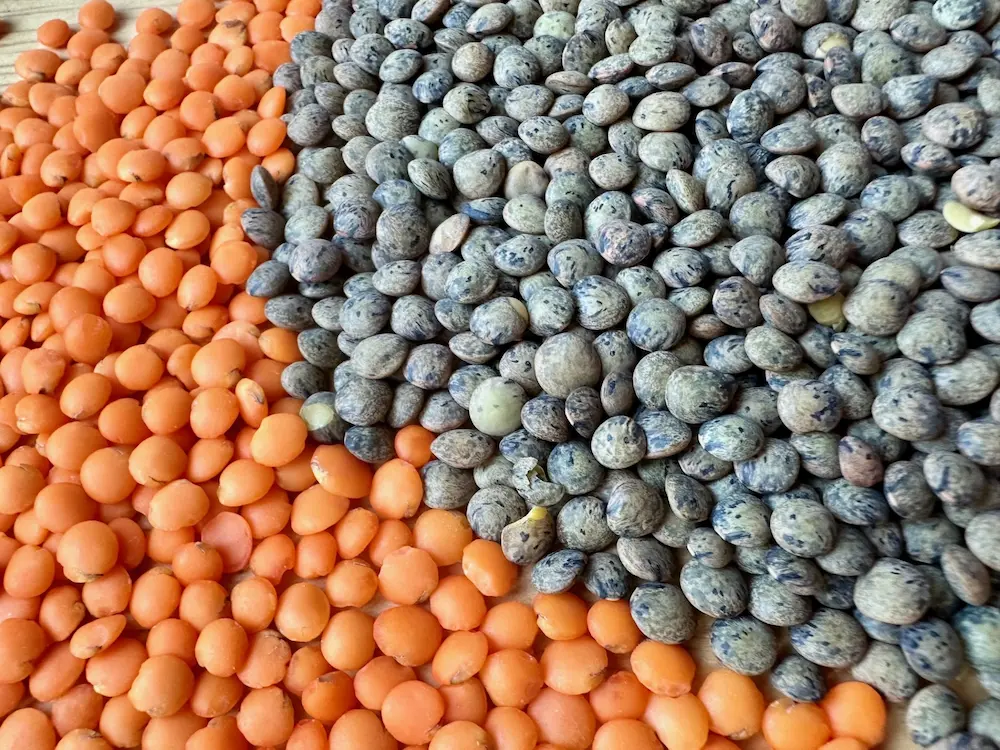
Around 200 lentil (Lens culinaris) lines imported from ICARDA form the basis of this work. We’ll bulk seed, run field trials, and compare performance against Canadian elite varieties. Screening will cover premium traits (like protein and starch) and disease resistance, with GWAS used to identify useful genes for breeding.
Why it matters: Lentils are in demand for plant-based diets and snacks, but UK production is negligible – this work could change that.
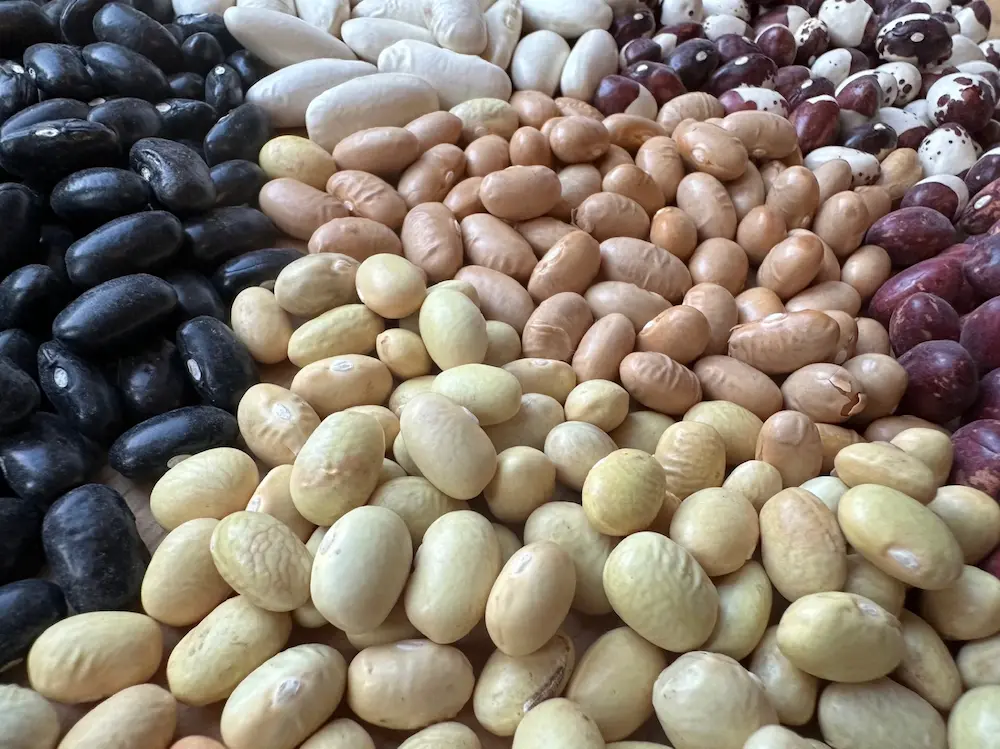
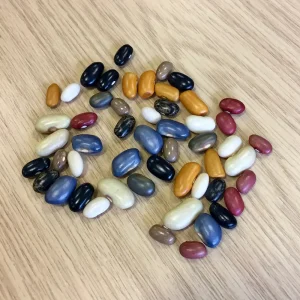
Phaseolus includes navy beans (for baked beans) and heritage types like kidney and borlotti. We’ll curate UK-adapted germplasm, sequence it for diversity, and start improving traits such as early maturity, podding height, and seed coat quality.
Why it matters: Common beans offer high protein and fibre and could open new markets beyond baked beans.
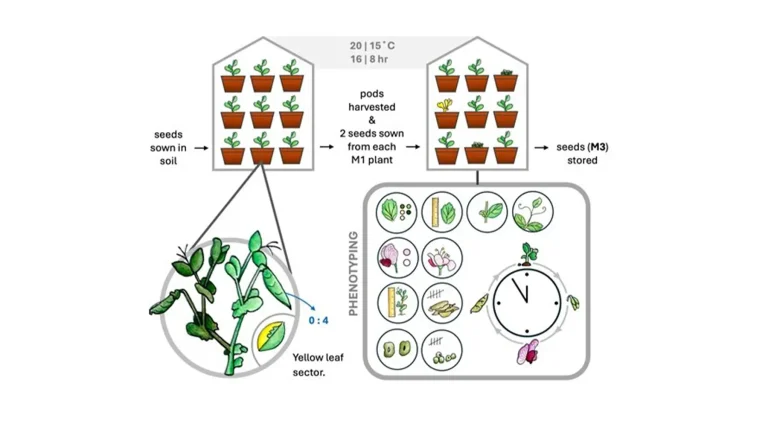
Mutant populations are powerful tools for functional genomics. WP1 will expand the faba bean EMS population to 5,000 lines and develop a new pea EMS population in a well-sequenced variety (JI2822). These resources enable validation of candidate genes and support gene-editing pipelines.
Why it matters: These tools accelerate discovery and breeding for traits like disease resistance and quality.
CRISPR/Cas gene editing can cut breeding time in half, but transformation is a bottleneck. WP1 invests in developing reliable transformation methods for pea and faba bean, paving the way for proof-of-concept edits on traits like hilum colour and stay-green.
Why it matters: This capability future-proofs UK breeding for rapid trait improvement.
Links coming soon…
PCGIN will make all genetic resources publicly available on our website.
Open access ensures breeders, researchers, and industry can benefit directly from PCGIN outputs.
Resources include:
Genome sequences for pea and faba bean
Diversity panels and SNP arrays
Mutant populations and gene-editing protocols
Germplasm collections at University of Reading and NIAB
Vicia toolbox at NIAB
PCGIN Diversity Panel (Excel sheet download)
MendelSeq datasets & tools from Genomic and genetic insights into Mendel’s pea genes (Feng, C. et al., 2025, Nature, https://doi.org/10.1038/s41586-025-08891-6)
The Legume Information System (LIS)
LIS integrates genetic and genomic information to aid researchers working on legume crops and related species.
PeaYEN and BeanYEN
The YENs (Yield Enhancement Networks) are collaborative industry initiatives founded by ADAS in 2012 to help growers benchmark crop performance and identify yield limitations.