Other pulses
On this page, learn more about the novel and niche pulse crops we’re researching: lentils, common beans and chickpeas.
In the current five-year phase, PCGIN is expanding scope to curate foundational genetic resources for other pulse crops including lentils and common bean.
A recent report by NIAB on behalf of Defra examined opportunities to diversify UK agriculture through investment in underutilised crops, and with potential for expanded production and market development. It featured species of particular interest for PCGIN: carlin peas (Pisum sativum heritage types), lentils (Lens culinaris), common beans (Phaseolus vulgaris), and chickpeas (Cicer arietinum). These minor grain legume crops are considered to offer scope to increase options for sustainable rotations (nitrogen-fixing legumes reduce fertiliser needs), and meet rising consumer demand for healthy, locally sourced foods.
Lentils (Lens culinaris)
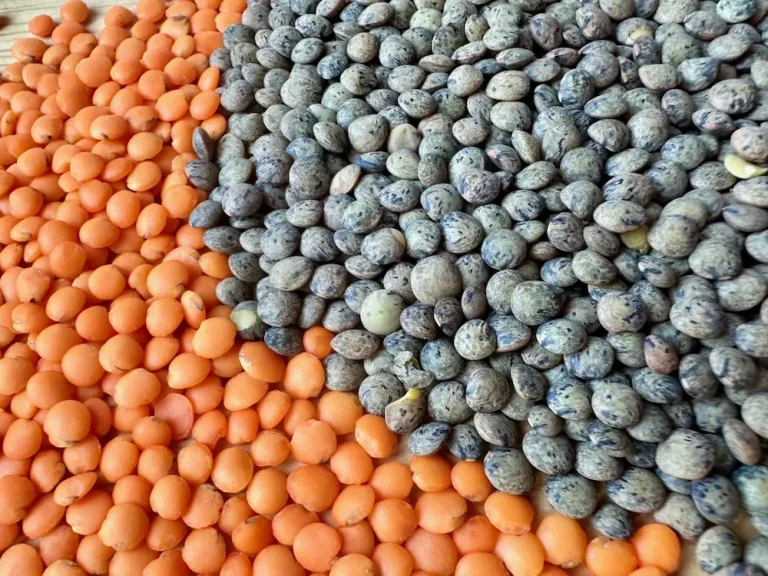
Lentils are an underutilised pulse in Europe with growing consumer interest, particularly for snacks and plant-based diets. The UK imports average 29K tonnes annually, highlighting potential for premium domestic production. Shortlisted as an underutilised pulse with growing interest in UK trials, lentils are:
- Cold-tolerant and suited to lighter soils, making it more feasible than chickpea for UK production.
- High-value crop for human consumption, with strong demand for plant-based diets and ethnic cuisines.
Chickpea (Cicer arietinum)
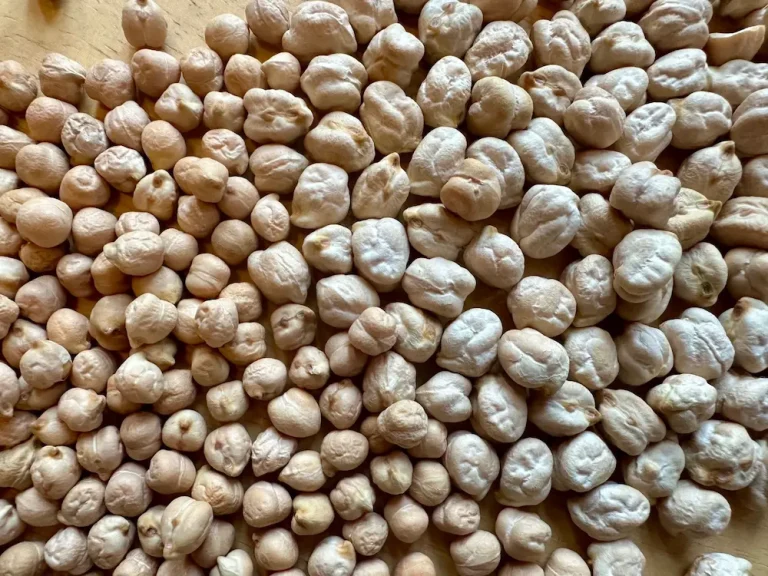
Although commonly known as a chickpea or garbanzo bean (depending on region), chickpea is a distinct legume species within the Fabaceae family. Chickpeas (Kabuli and Desi types) are a globally important pulse with rising demand in Europe for gluten-free, high-protein flours and ready-prepared foods. UK production remains negligible despite imports averaging 55K tonnes annually, but interest is growing as an underutilised crop with potential for diversification.
Key characteristics:
- Requires dry conditions to stop growing, making it challenging to manage in the UK climate.
- High-value crop for human consumption, widely used in plant-based diets and global cuisines.
- Two main market types: Desi (small, darker seeds, often used in traditional dishes) and Kabuli (larger, cream-coloured seeds, popular for hummus and salads).
Common beans (Phaseolus vulgaris)
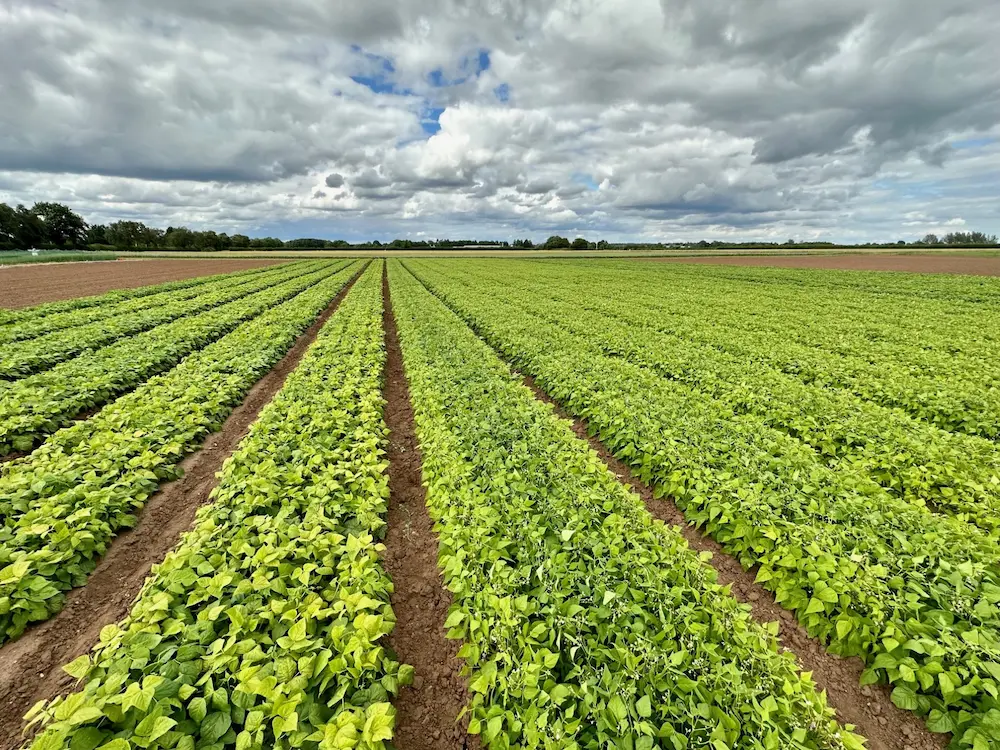
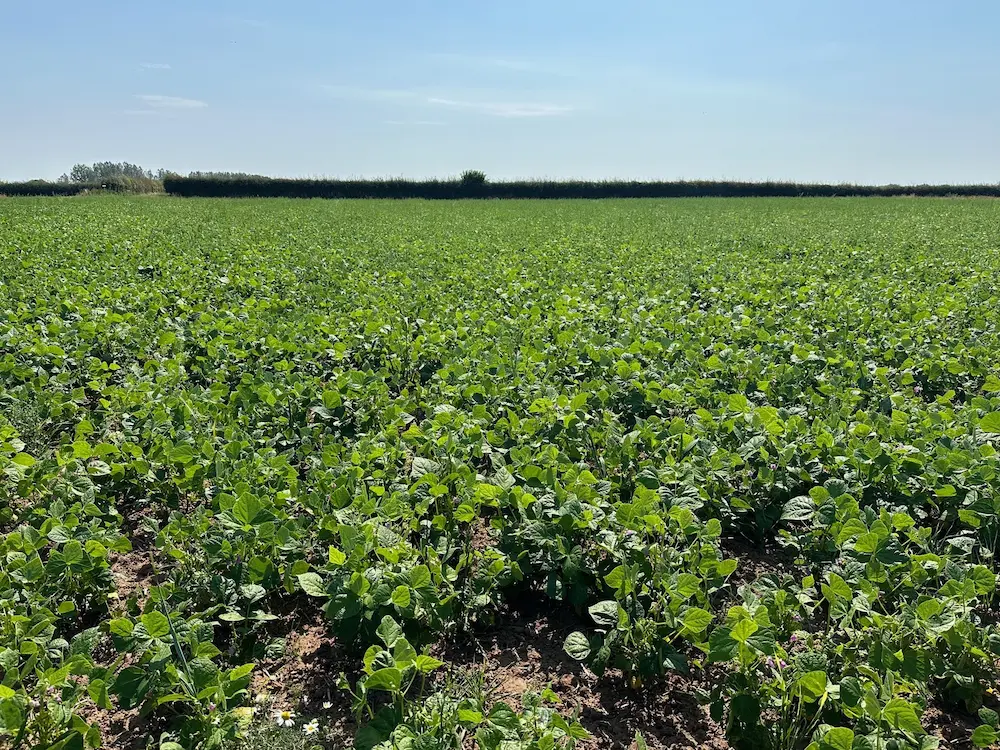
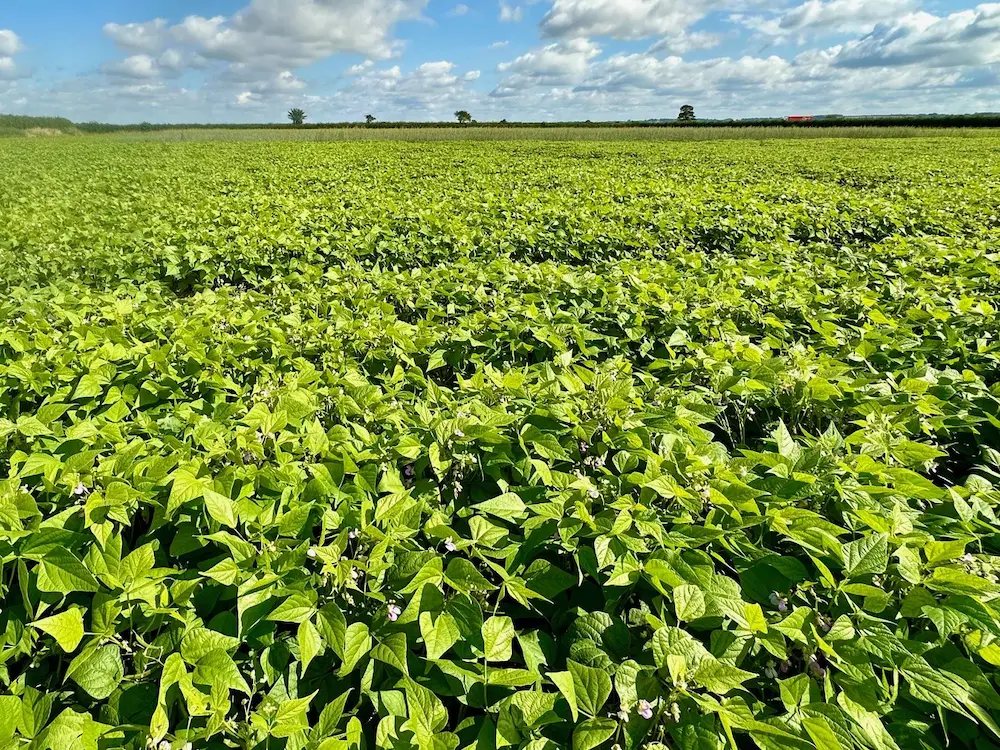
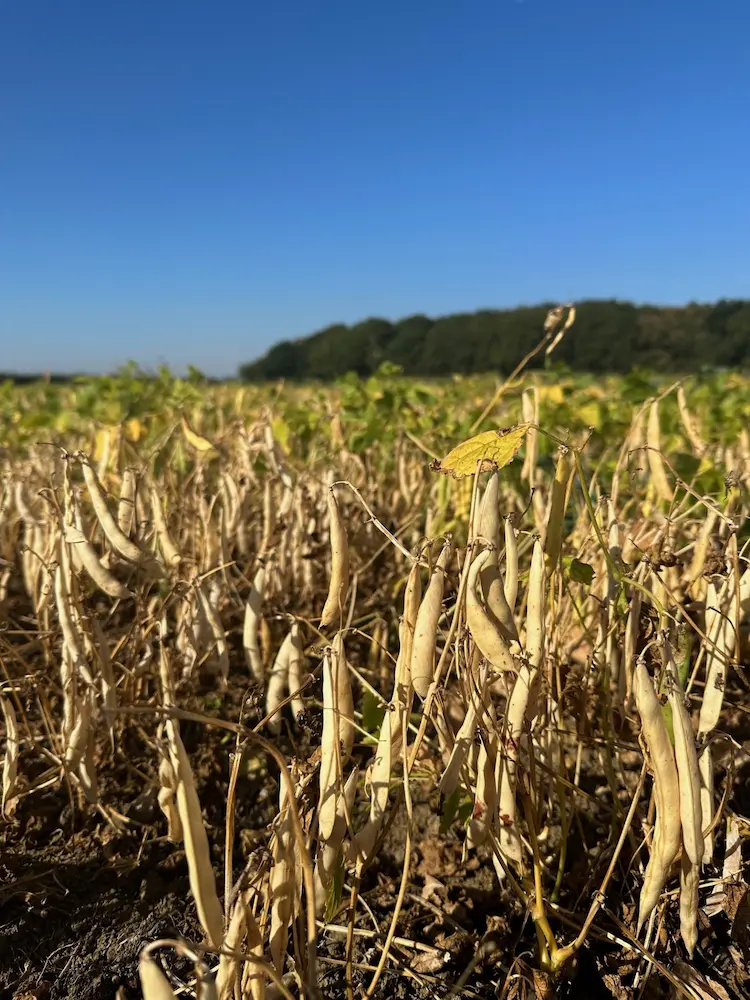
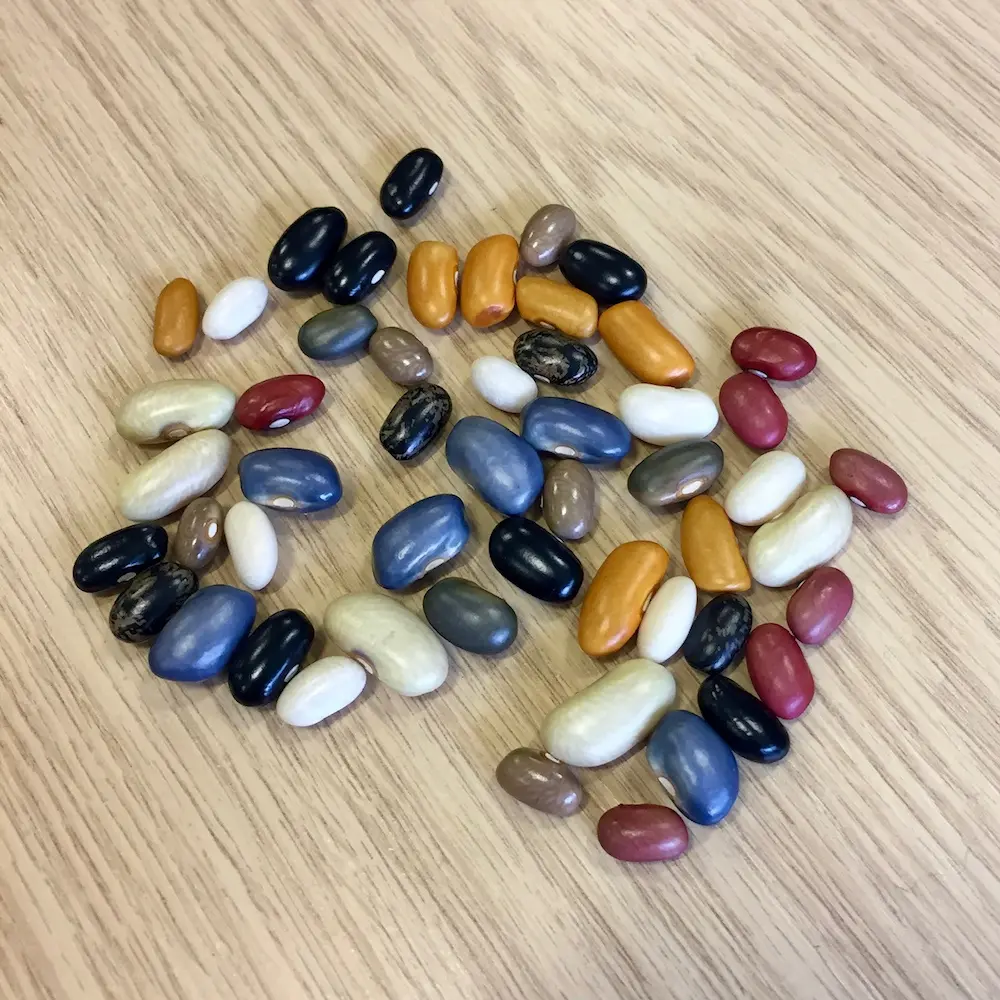
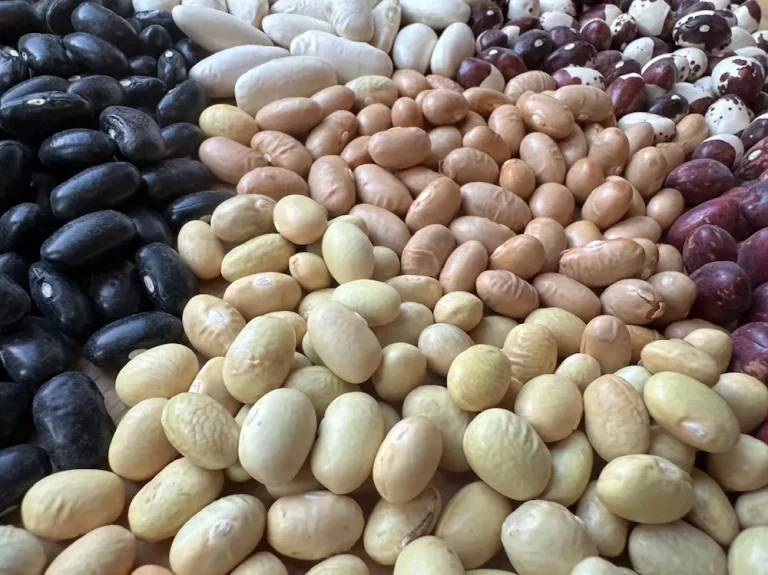
While the white-seeded navy bean attracts most interest, dry P. vulgaris also includes other market types such as kidney, borlotti, and cannellini beans, which broaden opportunities for diversification beyond baked beans. Navy bean, the key ingredient in baked beans, is currently imported into the UK (around 50K tonnes annually), but there is potential for domestic production through breeding UK-adapted varieties. North American varieties of all market types are poorly suited to UK conditions, yet historic research (Hardwick, 1988) and recent efforts at Warwick University have demonstrated that improvements in early maturity, cold tolerance, and disease resistance are achievable. This creates scope for a “British baked bean” and other markets types.
Common beans offer:
- High protein and fibre content, supporting health and sustainability trends.
- Opportunities to breed short-season varieties suited to UK growing conditions.
- Ongoing research and trials focused on improving agronomy and developing UK-adapted material.